






























No products in the basket.
Afghan Kush Strains Cannabis Seeds
Active filters
Breeders
Price
£ -
Seed Type
Stock Availability
Available As Single
Most Popular Seeds
On Sale
Flowering Period Type
Indica / Sativa
Cannabinoid Profile
Environment
Strength
Yield
Indoor Height
Experience Required
Hardiness
Strain Type
Medical Strains
Cup Winner
Indoor Flowering Time
Outdoor Harvest Time
Smell / Taste

Afghan Kush is a pure indica that comes straight from the Hindu Kush mountains, where it's been growing wild for hundreds of years.
These seeds carry the original genetics that shaped countless modern strains, and collectors love them for their unaltered, old-school pedigree.
The plants are compact, tough, and absolutely dripping with resin, exactly what you'd expect from a strain that's spent centuries adapting to harsh mountain life.
Read MoreWhere afghan kush comes from
Afghan Kush grew up in one of the toughest neighbourhoods on the planet. The Hindu Kush mountains stretch across the Afghanistan–Pakistan border, and these plants have been thriving in the valleys and slopes of northern Afghanistan for as long as anyone can remember.
You'll find wild Afghan Kush along the Amu Darya River, near the Tajikistan–Uzbekistan border, and scattered across the high Afghan valleys where the climate is brutal and only the strongest plants survive.
Over centuries, natural selection did its thing, and the result is a 100% pure indica that's stable, compact, and incredibly hardy.
Local farmers and the Kush tribe have worked with these plants for generations, and the strain's name is a nod to both the place and the people who first cultivated it.
Because Afghan Kush has stayed isolated and untouched by modern breeding, it's what we call a landrace, a strain that's kept its original character intact, shaped entirely by its environment.
What afghan kush smells and tastes like
Open a bag of Afghan Kush and you'll get hit with a deep, earthy scent that's all pine and wood, like walking through a damp forest after rain.
There's a pungent, musky edge to it, with layers of spice, incense, and a touch of citrus hiding underneath. When you taste it, that earthy, piney character comes through strong, with woody notes and a peppery, herbal finish that lingers.
Some plants throw in hints of blueberry or mango alongside that classic hash-like funk. The terpenes doing the heavy lifting here are myrcene (that earthy musk), beta-caryophyllene (spicy sandalwood), and carene (pine), with backup from alpha-pinene, limonene, linalool, bisabolol, and geraniol.
It's a complex mix that's both pungent and inviting, and the aftertaste sticks around long after you've finished.
Resin, cannabinoids, and what makes afghan kush special
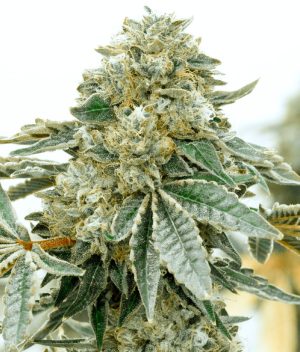
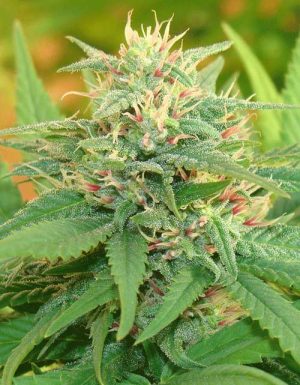
Afghan Kush is famous for its resin. The buds are dense, chunky, and covered in a thick blanket of trichomes that catch the light like tiny diamonds.
This heavy resin production is why Afghan Kush became the backbone of traditional Black Afghan hash, charas, and hash oil, it's been a cornerstone of hash-making for centuries.
The buds themselves are massive and tightly packed, sometimes shaped like little jalapeño poppers or miniature spaceships, with dark green colouring (almost muddy) and bright orange hairs woven through. THC levels sit between 16% and 22%, with most samples landing around 17–20%.
CBD can range from 0.1% up to 6%, and there's usually a bit of CBN in there too, around 0.1–1%. These numbers reflect Afghan Kush's potent indica nature and its long history as a resin powerhouse.
Afghan kush seeds and what's out there
You can find Afghan Kush seeds in feminized photoperiod, regular photoperiod, and feminized autoflower versions.
Dutch seed banks were the first to bring Afghan Kush to the wider world, and since then breeders like World of Seeds, Sensi Seeds, DNA Genetics, and Dutch Passion have refined and expanded the line.
There are some standout varieties worth knowing about: Master Kush and Mazar have both won awards, Afghan Kush Special is an improved selection with 20% THC and even more resin, and autoflower crosses like Auto Banana Blaze and Auto Night Queen bring the Afghan Kush character to faster-finishing plants.
You'll also see Afghan Kush listed under other names, Afghani Kush, Afghan OG, Pure Afghan, or just Afghan or Afghani. Afghan Kush is the backbone of modern indica breeding, and its genetics are woven into countless contemporary hybrids.
It's closely related to Hindu Kush, which might be a different expression of the same landrace line.
Afghan Kush Strains Frequently Asked Questions
Afghan Kush is a pure indica landrace from the Hindu Kush mountains in Afghanistan, cultivated for centuries and recognised as one of the oldest, most stable cannabis varieties around.
It grows wild in the Amu Darya River valleys near the Tajikistan–Uzbekistan border and throughout northern Afghanistan's Hindu Kush mountains, traditionally cultivated by local farmers and the Kush tribe.
It's got a pungent, earthy aroma with pine, wood, and musk, plus subtle citrus and spice. The flavour is smooth and earthy with prominent pine, woody, and peppery notes.
Myrcene, beta-caryophyllene, and carene are the main ones, with backup from alpha-pinene, limonene, linalool, bisabolol, and geraniol. Together they create that classic hash-like scent.
Afghan Kush mostly contains sixteen to twenty-two percent THC, with most samples averaging seventeen to twenty percent. CBD ranges from point one to six percent.
The buds are exceptionally dense and covered in a thick layer of trichomes that sparkle under light, making it a cornerstone in traditional hash production for centuries.
Afghan Kush is available as feminized photoperiod, regular photoperiod, and feminized autoflower seeds from breeders including World of Seeds, Sensi Seeds, DNA Genetics, and Dutch Passion.
They're closely related and may represent different expressions of the same landrace line. Both come from the Hindu Kush mountains and share similar indica characteristics.
Afghan Kush is also known as Afghani Kush, Afghan OG, Pure Afghan, and simply Afghan or Afghani. These names reflect regional conventions and widespread recognition.