


























No products in the basket.
IBL Cannabis Seeds
Active filters
Breeders
Price
£ -
Seed Type
Stock Availability
Available As Single
Most Popular Seeds
On Sale
Flowering Period Type
Indica / Sativa
Cannabinoid Profile
Environment
Strength
Yield
Indoor Height
Experience Required
Hardiness
Strain Type
Medical Strains
Cup Winner
Indoor Flowering Time
Outdoor Harvest Time
Smell / Taste

IBL stands for inbred line, cannabis strains bred over and over, usually five generations or more, until the seeds throw out plants that look and smell almost identical every time.
Breeders cross closely related plants again and again to lock in the traits they want, whether that's a particular scent, shape, or resin pattern. Unlike F1 hybrids that mix things up, IBLs nail down consistency through repeated inbreeding, backcrossing, or even self-pollination.
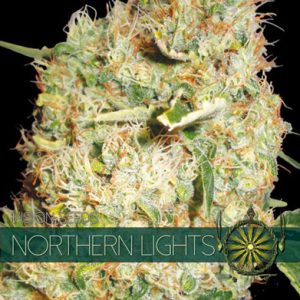
Classics like Skunk, Northern Lights, and White Widow have all been refined this way.
Read MoreHow breeders lock in the traits
Building an IBL takes time and a steady hand. Breeders start with a parent they like, often a landrace or an early hybrid, then cross it with siblings or close relatives over several cycles.
Each round tightens the gene pool and reinforces the features they're after. By the fifth generation, the line's stable enough to call an IBL. By the eighth or later, some reach near-total uniformity.
The trick is working with big batches at each stage so they can pick the strongest plants and dodge inbreeding depression, which creeps in when they pair too many close relatives. Self-pollination speeds things up, but it's to be handled carefully to keep the plants vigorous.
The payoff is a seed line that churns out nearly identical plants, making IBLs a popular go-to.
Scent and flavour that can be relied on
One of the best things about IBL cannabis is that the aroma and taste stay the same from seed to seed. Because the genetics are locked down, every plant in a batch will share the same terpene mix and sensory notes.
Skunk IBLs keep that sharp, unmistakable funk the family's known for, while Original White Widow IBL blends sweet, piney, earthy, and buttery tones with hints of flowers and wood.
Terpenes like myrcene, pinene, limonene, linalool, and humulene show up in steady ratios, giving each line its signature character.
Kona Gold IBL, built from Hawaiian landrace roots, brings bright, electric island aromas, and Purest Indica IBL leans into burnt rubber, skunk, and acrid earth.
That predictability makes IBLs perfect for collectors chasing specific flavours, and it's why breeders lean on them when they're building new hybrids.
The classics and where they come from
A handful of IBL strains have become cornerstones of cannabis genetics. Skunk and Northern Lights, both from Sensi Seeds, are textbook examples of lines refined over decades.
White Widow, offered by Greenhouse and Paradise Seeds, is another icon. The Paradise version is an IBL made by crossing White Widow with itself, carefully bred since 1996.
Original White Widow IBL comes from a Brazilian sativa landrace and a resin-heavy indica from Kerala, India, and it picked up High Times and Highlife Cannabis Cup wins after its 1995 launch.
Purest Indica IBL goes back to 1979 Afghan genetics via Murphy Stevens and Seattle Greg, and it became a foundation parent for the Northern Lights family, NL #1 through NL #5.
Hyp3rids offers rare old-school IBLs like Kona Gold and Sawā, chosen for depth and character rather than mass appeal. Humboldt Seed Company and Tom Hill have pushed lines past the eighth generation, chasing true-breeding status with rock-solid genetics.
Why IBLs matter for breeding and keeping rare lines alive
IBLs are workhorses for breeders because their genetic stability delivers predictable results when crossed with other lines.
An F1 hybrid made from two IBL or landrace parents shows hybrid vigour, stronger, more uniform plants, while bringing in fresh traits.
Breeders also use IBLs to protect their work. The genetics are so consistent that copying the line without the original stock is tough. Beyond breeding, IBLs help preserve cannabis diversity.
By keeping pure lines and unique traits alive through selective inbreeding, seed makers make sure heritage genetics stick around for future collectors.
Some IBL projects start with as few as eight rare old-school seeds, and the resulting lines get tested thoroughly before they're released.
Regular IBL seeds produce both male and female plants, which suits breeding programmes, while feminised IBL seeds stabilise faster and carry less risk of hermaphroditism, though they yield fewer seeds overall and need more technical know-how to reverse.
IBL Frequently Asked Questions
IBL means inbred line. It's a cannabis strain bred over multiple generations, usually five or more, to stabilise specific traits and produce highly consistent, uniform plants every time.
An F1 hybrid is the first cross between two different parents, mixing genetics and boosting vigour. An IBL is bred by inbreeding close relatives over many generations to lock in uniformity.
Most IBLs are stable by the fifth generation, though some breeders push to the eighth or beyond for near-total uniformity. It depends on the starting genetics and selection goals.
Skunk, Northern Lights, White Widow, and Blueberry are all well-known IBLs. These lines have been refined through careful breeding to deliver consistent plants and stable genetics across generations.
Yes. Feminised IBL seeds are available and stabilise faster with lower hermaphroditism risk. They produce fewer seeds overall and need more technical skill to reverse, so regular IBLs remain popular.
Inbreeding depression happens when closely related parents are crossed too often, weakening the plants. Breeders dodge it by working with large batches, picking the healthiest plants, and sometimes adding fresh genetics.
IBLs give breeders a stable, predictable foundation. When crossed with other lines, they produce F1 hybrids with consistent traits and hybrid vigour. They also protect the breeder's work from easy replication.
Because IBLs are genetically stable, each plant from a seed batch expresses the same terpene character and sensory notes. That makes them ideal for collectors chasing specific aromas and flavours.
A landrace is a naturally occurring strain from a specific region, shaped by minimal human intervention. An IBL is a human-made inbred line developed through deliberate selective breeding over many generations.
Absolutely. IBLs are essential for preserving cannabis genetic diversity. By keeping pure lines and unique traits alive through selective inbreeding, seed makers ensure heritage genetics remain available for future study.