





























No products in the basket.
Indica Cannabis Seeds
Active filters
Breeders
Price
£ -
Seed Type
Stock Availability
Available As Single
Most Popular Seeds
On Sale
Flowering Period Type
Indica / Sativa
Cannabinoid Profile
Environment
Strength
Yield
Indoor Height
Experience Required
Hardiness
Strain Type
Medical Strains
Cup Winner
Indoor Flowering Time
Outdoor Harvest Time
Smell / Taste

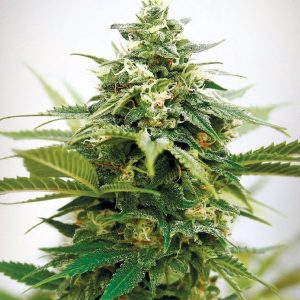
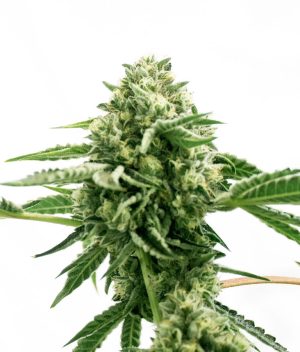
Pure Indica cannabis comes from the Hindu Kush mountains, Afghanistan, Pakistan, and the northern bits of India. These strains grow short and bushy with wide, dark-green leaves and tight spacing between branches.
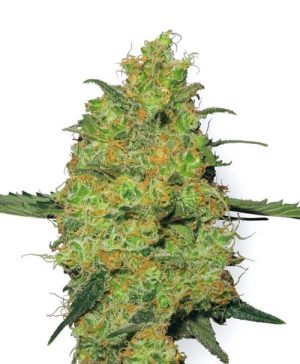
The buds pack in dense and sticky. They're descended from old Afghan landraces that've been around for thousands of years, tough as nails in rough climates.
Truly pure examples are pretty rare these days, so when people say "pure indica" they usually mean something like 90–10 or 80–20 indica-to-sativa.
Read MoreWhere pure indicas come from
These strains go way back to wild cannabis that grew in the Hindu Kush for ages. The plants adapted to dry, harsh conditions, short growing seasons, rocky soil, not much water.
That's why they ended up compact, super resinous, and quick to finish. The seeds are bigger than sativa seeds and often have little stripes on them, which is a nice visual clue.
A few famous examples have made it out of the region. Pakistan Chitral Kush still grows wild in its home province and was brought to Spain in the nineties.
Hindu Kush itself has been thriving in Himalayan valleys forever. Deep Chunk, another Pakistani strain, was taken to California in the nineties to keep the line going.
Then there's the Purest Indica, sometimes called the Steve Murphy Afghan, which is an inbred line from 1983 seed stock. It's the parent behind the whole Northern Lights family, strains numbered one through five.
Breeders love these genetics because they're consistent, hardy, and deliver that classic hash-plant vibe.
What they smell and taste like
Pure indicas have a rich, earthy smell that's hard to miss. Think musky, pungent notes with a hash-like edge, plus pine, skunk, and sometimes burnt rubber. Some have fruity or sweet layers too, ripe berries, spicy herbs, that sort of thing.
The terpenes do the heavy lifting here. Myrcene's the main one, bringing that earthy musk. Caryophyllene adds a peppery kick, linalool brings a floral touch, and pinene gives you fresh pine.
The flavour follows the nose. There might be sugary fruit up front, then spice, then earthy or woody notes underneath. Some have hints of cedarwood or diesel.
The Purest Indica leans into burnt rubber, skunk, and sharp earth. Shiskaberry, a cross of Blueberry and Afghan, goes sweeter and fruitier.
Modern breeding's pushed things further, so you'll find cheese, diesel, and berry flavours popping up in newer lines.
It all depends on how the cannabinoids and terpenes stack up.
Potency and seed options
THC in pure indicas usually sits between 11% and 25%. Most fall somewhere in the 12–20% range, though some plants test higher than the packet says, certain Pure Indica cuts have hit 25% even when the breeder lists 14–19%. CBD stays low, often under 1%, unless someone's bred specifically for more.
Seeds come in feminised photoperiod versions from plenty of banks, Ace Seeds, Blimburn, Barney's Farm and many others. Regular seeds are around too, giving a mix of males and females.
The Purest Indica IBL is one example sold as regulars. Autoflowering pure indicas exist but they're less common.
These seeds are mostly seen as fairly easy to work with and naturally tough against pests, disease, and mould, thanks to their mountain heritage.
Notable strains you'll see
Proper pure indicas are rare, but a handful of well-known strains keep the flag flying. Mazar, made in the eighties from Afghan and Skunk, has won loads of cups over the years.
Mr. Nice G13 x Hash Plant mixes two super-sticky strains for a potent, cedarwood-flavoured plant. Night Queen came out of Afghanistan in the eighties, brought to Amsterdam by Dutch Passion, and grows incredibly dense buds covered in colourful resin.
Double Glock is a newer Spanish strain, carefully selected from Afghan seeds for stability. Shiskaberry's known for big returns and a sweet flavour.
Seed banks like Mandala, Indian Landrace Exchange, and Ace Seeds offer dozens of pure indica varieties.
Even though they're not as common as hybrids, pure indicas still have a loyal following among collectors who want reliable, old-school genetics on their shelf.
Indica Frequently Asked Questions
It comes from Cannabis indica afghanica with little or no sativa mixed in. Most "pure" indicas today are around 90–10 or 80–20 indica-to-sativa, since totally untouched landraces are hard to find.
They're from the Hindu Kush mountains across Afghanistan, Pakistan, and northern India. These old landrace plants adapted to tough, dry conditions over thousands of years.
THC usually runs from 11% to 25%, with most strains landing between 12% and 20%. Some individual plants test higher than the breeder's estimate, occasionally hitting 25% or more.
Myrcene's the big one, giving musky, earthy smells. Caryophyllene adds spice, linalool brings floral notes, and pinene gives a fresh pine scent. Together they shape the aroma and flavour.
Yeah, loads of seed banks sell feminised photoperiod versions. Regular seeds that give both males and females are also available.
Earthy, musky, and pungent with a hash-like edge. You'll often catch pine, skunk, burnt rubber, and sometimes fruity or spicy herbal notes layered in there too.
Indicas grow short, bushy, and compact with wide, dark-green leaves and tight spacing between branches. Sativas stretch taller with thin leaves and longer gaps between nodes.
It's an inbred line from 1983 seed stock, sometimes called the Steve Murphy Afghan. It was used as the foundation for the Northern Lights family of strains, numbered one to five.
Most modern strains are hybrids mixing indica and sativa genetics. Truly untouched landraces are tough to track down, and even "pure" indicas often have a small sativa percentage in the mix.
Sweet fruit, earthy and woody bases, spicy notes, pine, skunk, and sometimes cedarwood or diesel. The exact flavour depends on the terpene mix in each strain.