























No products in the basket.
Purple Strains Cannabis Seeds
Active filters
Breeders
Price
£ -
Seed Type
Stock Availability
Available As Single
Most Popular Seeds
On Sale
Flowering Period Type
Indica / Sativa
Cannabinoid Profile
Environment
Strength
Yield
Indoor Height
Experience Required
Hardiness
Strain Type
Medical Strains
Cup Winner
Indoor Flowering Time
Outdoor Harvest Time
Smell / Taste

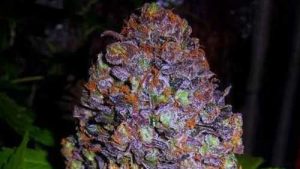
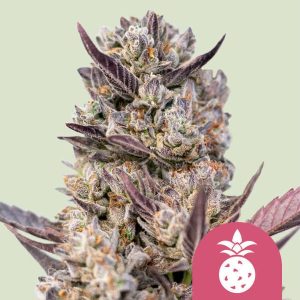
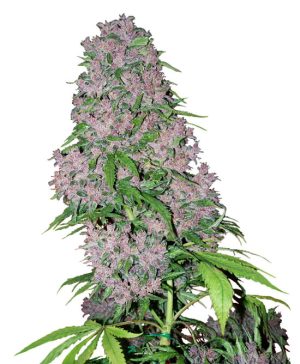
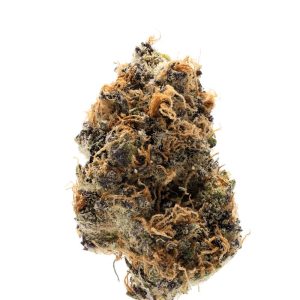
Purple cannabis strains are the ones that show off gorgeous purple, lilac, or even blue shades when they flower. That colour comes from anthocyanins, the same natural pigments you find in blueberries and grapes.
You'll find everything from pure indicas like Purple Kush to sativa-leaning beauties such as Purple Haze, and they all bring their own blend of grape, berry, lavender, and earthy smells.
A lot of these strains can trace their roots back to landrace plants from the Hindu Kush mountains, Purple Thai, and the California breeders who got serious about them in the 1970s.
Read MoreHow purple strains came about
Purple cannabis didn't just happen by accident, breeders spent years crossing different plants to create something new and eye-catching.
The real push started in the 1970s when growers in California and elsewhere began mixing strains to get those striking colours and fresh flavours.
Purple Haze became a household name after Jimi Hendrix sang about it, and suddenly everyone wanted a piece of that purple magic.
A lot of the original genetics came from Purple Thai and the landrace plants growing high up in the Hindu Kush mountains, where the cooler climate naturally brought out those purple tones.
Purple Kush was born in Oakland when someone crossed Hindu Kush with Purple Afghani, and then in 2003 Ken Estes created Granddaddy Purple by pairing Purple Urkle with Big Bud.
These days, breeders have taken those classic lines and built on them, so you can find purple strains in autoflowering versions and even CBD-rich varieties. The modern hybrids keep the colour and flavour but often pack more punch than their ancestors.
What makes them purple
The purple comes from anthocyanins, which are pigments that live in the plant's cells. They're the same compounds that make red cabbage red and give autumn leaves their colour.
In cannabis, they really start to show up during the last few weeks of flowering, and they don't just look pretty, they also add to the smell and might bring some antioxidant benefits, though scientists are still figuring out exactly how they interact with cannabinoids.
Here's the thing: a plant needs the right genes to go purple in the first place. If those genes are there, cooler nights during flowering will coax out even more colour.
That's why outdoor plants often look more vibrant than indoor ones, natural sunlight and temperature swings do the job. But no amount of cold will turn a non-purple strain purple. The genetics have to be there from the start.
The big names in purple cannabis
Granddaddy Purple is probably the most famous purple strain out there. It's a cross between Purple Urkle and Big Bud, and it's packed with dense, purple buds covered in bright orange hairs.
The smell is all sweet grape and berry with a bit of earth underneath, and it's loaded with myrcene, caryophyllene, and pinene.
THC levels can hit 27%, and it's won a stack of awards, including first place at the Green Cup and the Denver High Times Cannabis Cup.
Purple Kush is a pure indica that brings together Hindu Kush and Purple Afghani. It's got that classic Kush earthiness with a sweet edge, and THC usually sits between 17% and 22%.
Then there's Purple Haze, which mixes Haze with Purple Thai to create a sativa-leaning plant with citrus up front and hints of berry and spice. It really took off in the 1960s and 70s, blending tropical vibes with high-altitude genetics.
You'll also come across Purple Punch, which is Larry OG crossed with Granddaddy Purple, and Purple Diesel, a mix of Sour Diesel and Purple Kush.
Purple Runtz is another popular one, made from Gelato #33 and Zkittlez. Breeders like Ace Seeds, Barney's Farm, Mephisto Genetics, and Royal Queen Seeds all offer a solid range of purple strains, whether you want photoperiod or autoflowering seeds.
Smells, tastes, and terpenes
Purple strains tend to smell fruity and sweet, with loads of grape, berry, and earthy notes floating around. Some have a hint of liquorice or spice, and the terpenes behind those smells include myrcene, caryophyllene, pinene, limonene, and linalool.
Myrcene brings deep, musky tones, linalool adds a floral lavender touch, pinene gives that sharp pine kick, and limonene throws in some citrus brightness.
Granddaddy Purple has a strong earthy smell with a sweet punch, and the taste is like fresh grapes mixed with sugary candy. Purple Haze is earthy too, but with sweet berries and lavender, and it leaves a sweet-and-sour aftertaste. Purple Kush is rich and earthy with a hint of sweetness and red berry notes woven in.
Purple Strains Frequently Asked Questions
Anthocyanins cause the purple colour, and they show up when plants with the right genes experience cooler temperatures during flowering. Without those genes, cold won't do a thing.
Not necessarily. Colour doesn't decide potency, genetics, cannabinoids, and terpenes do. Some purple strains are strong, others aren't.
Granddaddy Purple, Purple Kush, and Purple Haze are the big three. Purple Punch, Purple Urkle, and Blackberry Kush are also well-loved by collectors and enthusiasts.
They often do. Purple strains usually have sweeter, berry-like flavours with grape, lavender, and earthy notes. Each strain has its own twist, though.
Absolutely. Fast Buds offers Purple Lemonade and Purple Punch Auto, and Mephisto Genetics has Purple Nuggets and Grape Walker Kush. There are plenty of options out there.
They come from landrace plants in the Hindu Kush and Purple Thai from Thailand, plus California breeding work in the 1970s. Granddaddy Purple was created in California in 2003.
Myrcene, caryophyllene, limonene, pinene, and linalool are the most common. They create those musky, floral, piney, and citrus smells that purple strains are known for.
Many purple strains are hardy and reliable. Varieties like Pakistan Chitral Kush and Purple Queen are known for being robust and hard to kill.
It varies a lot. Granddaddy Purple can reach 27%, Purple Kush sits around 17–22%, Purple Haze is 16–20%, and Purple Urkle can hit 26%. Always check the specific strain.
Anthocyanins have antioxidant qualities and might work alongside cannabinoids, but research is still ongoing. Purple strains also tend to have unique terpene profiles and look amazing in extracts.