



























No products in the basket.
Resistant to Pests Cannabis Seeds
Active filters
Breeders
Price
£ -
Seed Type
Stock Availability
Available As Single
Most Popular Seeds
On Sale
Flowering Period Type
Indica / Sativa
Cannabinoid Profile
Environment
Strength
Yield
Indoor Height
Experience Required
Hardiness
Strain Type
Medical Strains
Cup Winner
Indoor Flowering Time
Outdoor Harvest Time
Smell / Taste

Some cannabis seeds are just tougher than others. Pest-resistant strains come from families that've been dealing with bugs and moulds for generations, mainly in humid spots across Asia, Central America and Africa.
Over time, they have built up their own defences, thicker resin, natural chemicals that bugs don't like, and structures that let air flow through.
Breeders have taken those traits and mixed them into modern lines, so collectors can find seeds with real staying power.
Read MoreWhere the toughness comes from
A lot of these hardy genetics started life as wild landraces. Wild Thailand spent generations in the hands of Thai farmers and came out strong against moulds and pests.
Afghan Kush grew up in the Hindu Kush Mountains, where a natural mould resistance helped it survive.
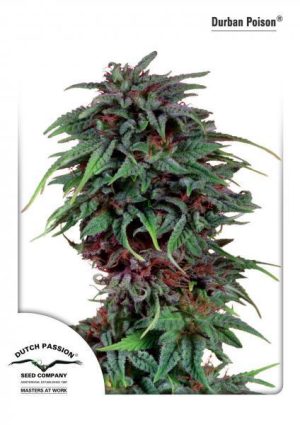
Colombian Gold and Durban Poison adapted to their own climates, learning to shrug off moisture and bugs along the way. Breeders have crossed these old-school survivors with newer hybrids, blending durability with fresh traits.
Building resistance into a strain takes time and careful selection. Breeders pick parents that already handle pests well, then cross them over several rounds to strengthen those defences.
Some use marker-assisted selection to spot the exact genes that help, which speeds things up.
Strains bred for places like northern Spain, France or Belgium often come out better equipped to handle the pests and diseases common in those areas.
Families and crosses that stand out
Certain family lines are known for holding up well against pests and moulds. The Kush, Skunk and Haze families all show stronger resistance than many others. Northern Lights, an indica-leaning mix of Afghani and Thai, resists mould really well and has been a go-to parent in loads of breeding projects.
White Widow's been famous since the nineties for its mould resistance, and newer crosses like White Noise (Widow meets Cookies, from 2022) carry that reputation forward. Jacky White blends White Widow, Jack Herer and Northern Lights for solid outdoor mould defence.
Special Queen 1 comes from Power Bud and Skunk, both known for pest resistance, and handles various bugs pretty well.
Hyperion F1 is an autoflower built from Amnesia, Lemon and Sin Tra Bajo inbred lines. It copes better with pests and diseases like Botrytis. Apollo F1 mixes pure inbred lines from Lemon, Black Domina and Sugar Magnolia for strong disease resistance.
Milky Way F1 draws pest resistance from IBLs related to Blue Mammoth, Blue Dream and Sin Tra Bajo Auto, and does a great job against aphids, spider mites and fungus gnats thanks to hybrid vigour and natural defensive compounds.
How these plants protect themselves
Resistant strains use a few tricks to keep pests at bay. Dense trichome coats pump out resin packed with volatile molecules that bugs don't fancy. High resin production is one of the main ways they shield themselves from environmental hassles.
These varieties also make more cannabinoids and terpenes, which put insects off feeding and help fight off disease at the same time. Those terpenes add to the aroma and flavour too, so provide protection and character in one package.
Structure matters as well, sativa strains tend to resist mould better because they grow tall with leaves spaced out, letting air move freely.
Mould-resistant types are usually spongier with wider gaps, which keeps airflow strong and disease at arm's length.
Seed types and what they bring
Humidity-resistant cannabis comes in feminised seeds, Fast Versions, autoflowers and regular seeds, covering both indica and sativa types.
Autoflowering strains like Northern Lights Auto, Candy Kush Auto and Blueberry Kush Auto pair natural mould resistance.
LSD Auto from Barney's Farm is strong and fast. White Widow Auto by Pyramid Seeds and Zkittlez Auto by Barney's Farm are more mould-resistant with built-in disease defence.
Resistant strain seeds keep quality steady, adding another layer of protection.
Resistant to Pests Frequently Asked Questions
Resistant strains have stronger natural defences or produce chemicals that bugs and moulds don't like. Thick trichomes, extra resin and natural repellents all help keep pests away.
Kush, Skunk and Haze families show stronger mould resistance than most. White Widow and Northern Lights lines are famous for passing on solid anti-mould traits to their descendants.
Sativas usually resist mould better. Sativa-leaning hybrids often resist mould better than pure sativas or indicas.
F1 hybrids come from crossing two inbred parent lines, creating resistance to pests and diseases like Botrytis. Hyperion F1 and Apollo F1 are good examples.
Hyperion F1 has myrcene, ocimene and farnesene, which help fight off disease and add unique aromas.
Genetic introgression moves pest-resistant traits from tough strains into weaker ones, boosting offspring resistance. Breeders introduce genetic material from naturally resilient strain seeds into less resistant lines.
Yes, resistant varieties need fewer fungicides, so they fit well in organic systems where chemicals are avoided. Many thrive in organic setups without needing fungicide treatments at all.
Humidity-resistant varieties suit northern Spain, France, Belgium and anywhere rain and humidity are common. Strains bred for specific regions handle local pests and diseases better than general-purpose lines.
Resistant strains have open, airy flower structures that let air circulate between buds, cutting fungal risk. Mould-resistant varieties often have spongier buds and wider node spacing for better airflow.
Pest-resistant strains handle more bugs and moulds without serious harm, but they're not invincible. They keep quality and output steady in tough conditions.