





















No products in the basket.
Cheese Strains Cannabis Seeds
Active filters
Breeders
Price
£ -
Seed Type
Stock Availability
Available As Single
Most Popular Seeds
On Sale
Flowering Period Type
Indica / Sativa
Cannabinoid Profile
Environment
Strength
Yield
Indoor Height
Experience Required
Hardiness
Strain Type
Medical Strains
Cup Winner
Indoor Flowering Time
Outdoor Harvest Time
Smell / Taste

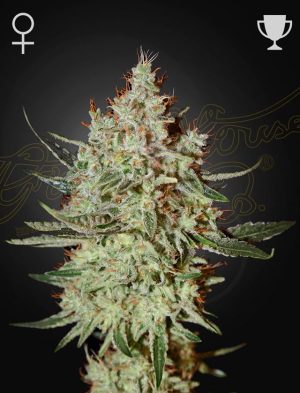
Cheese cannabis seed strains smell exactly like their name suggests, sharp cheddar, parmesan, and other proper cheeses mixed with skunky, earthy funk.
They all come from one special Skunk #1 plant found in the UK back in the late eighties, and that bold, savoury character made Cheese a legend.
Before it turned up, no other cannabis smelled quite so dank and tangy, and breeders have been crossing it with everything ever since.
Read MoreWhere cheese came from
Back in the eighties, a breeder called Sam the Skunkman brought Skunk #1 seeds from the States to Amsterdam, and some of those seeds ended up in the UK.
British weather and a bit of luck pushed out a plant that smelled completely different, like proper aged cheese.
Someone in southeast England spotted it, took cuttings, and kept it going. The Exodus Collective, a community in Luton during the early nineties, got hold of the cutting and shared it around, calling it Exodus Cheese or UK Cheese. It became a proper icon.
By the mid-2000s, UK Cheese won Best Indica at the High Times Cannabis Cup, and breeders everywhere started crossing it with other classics.
Skunk #1 itself comes from Afghani, Acapulco Gold, and Colombian Gold landraces, it's about 65 per cent indica and 35 per cent sativa, and Cheese kept that balanced backbone but added its own funky twist.
Big Buddha Cheese, made by Milo Yung in 2002 by crossing the original with an Afghani, won cups in Amsterdam, Barcelona, and beyond, and that really put Cheese back on the map worldwide.
What it smells and tastes like
Cheese strains hit with a heavy, unmistakable aroma that is genuinely reminiscent of a cheeseboard, sharp cheddar, parmesan, gouda, brie, even gorgonzola, all tangled up with skunk, sour notes, and a funky edge.
That pungent character comes from sulphur compounds like octanoic acid, hexanoic acid, isovaleric acid, and methyl mercaptan, working alongside familiar terpenes.
Beta-caryophyllene brings spicy, earthy warmth with a hint of sweetness and citrus, whilst alpha-pinene adds fresh, woody pine.
Limonene gives bright, zesty citrus, and myrcene lends musky, herbal depth. Terpinolene and ocimene round things off with subtle mint and fruit touches.
The flavour mirrors the smell: rich, tangy, intensely cheesy, with earthy, musky, and slightly sweet undertones. Before Cheese arrived, nothing in cannabis tasted this savoury and dank, it was genuinely unheard of.
Popular cheese crosses
Breeders have used Cheese as a building block for loads of modern strains, pairing it with fruity classics and potent new hybrids. Blue Cheese mixes the original with Blueberry, delivering a gorgonzola aroma softened by sweet berry notes and around 18 per cent THC.
Mac N Cheese combines The Mac with Alien Cheese for a savoury, buttery character that can hit 24 per cent THC. Perzimmon, a 2022 release from Compound Genetics, crosses Rainbow Cheddar with GastroPop and marries Cheese funk with bright fruity notes.
Lemon Cheese pairs Exodus Cheese with Super Lemon Haze for a zesty, tangy twist, and Blueberry Cheesecake brings dessert vibes to the savoury base.
Even strains like Hog's Breath, which comes from Hindu Kush and Afghani, show how old-school indica genetics can produce similar savoury, sour aromas. Each cross keeps that unmistakable Cheese backbone but adds its own flavour and strength.
Strength and legacy
Original UK Cheese usually sits around 20 per cent THC, not massive by today's standards, but its unique terpene mix amplifies things, so a little goes further than expected.
Modern cheese hybrids like Donny Burger and Queso Perro push THC up to 27 per cent, whilst Blue Cheese stays at 18 to 20 per cent and Lemon Cheese lands between 21 and 23 per cent.
Cheese strains tend to lean indica-dominant, often 60/40 or 80/20 indica to sativa, though the original is sometimes called a balanced hybrid. Cheese has held a Top Ten spot in coffeeshops for over a decade and remains a global benchmark.
It became a symbol of British cannabis culture, some folks even called it the 'Queen of England', and its genetics have spread across Europe and parts of the US.
Breeders keep stabilising Cheese into feminised, autoflower, and regular seed formats, so its legacy isn't going anywhere.
Cheese Strains Frequently Asked Questions
Cheese strains are hybrids from a unique Skunk #1 plant found in the UK in the late eighties, named for their genuinely pungent, savoury aroma that smells like aged cheddar and other sharp cheeses.
Around 1987, Skunk #1 seeds reached the UK from Amsterdam. A grower spotted a phenotype with a strong cheese-like smell, took cuttings, and the Exodus Collective in Luton popularised it as Exodus Cheese.
Cheese contains sulphur compounds like octanoic acid and methyl mercaptan, plus beta-caryophyllene, alpha-pinene, limonene, myrcene, terpinolene, and ocimene, creating cheese, garlic, spice, pine, and citrus notes.
Cheese delivers a rich, tangy, intensely cheesy flavour with earthy, musky, and slightly sweet undertones. Some hybrids add fruity or dessert-like notes, but the core character stays savoury and funky.
Original UK Cheese typically tests around 20 per cent THC, whilst modern hybrids range from 15 per cent in autoflowers to 27 per cent in strains like Donny Burger and Queso Perro.
Big Buddha Cheese, Blue Cheese, and Mac N Cheese are well-known. Others include Blueberry Cheesecake, Lemon Cheese, and Perzimmon, each adding fruity, dessert, or potent twists to the original.
Cheese is mostly indica-dominant, often 60/40 or 80/20 indica to sativa, though the original is sometimes described as balanced. It inherits Skunk #1's 65 per cent indica foundation plus Afghani influence.
UK Cheese won Best Indica at the 19th High Times Cannabis Cup in 2006. Big Buddha Cheese won the High Times Cannabis Cup in Amsterdam, the Cannabis Champions Cup in Barcelona, and the Highlife Cup.
Yes. Cheese exists as a clone-only original, but breeders have developed feminised, autoflower, and regular seed versions. Major seed banks like Royal Queen Seeds, Barney's Farm, and Seedsman offer their own interpretations.
Cheese became Britain's first locally produced top-quality hybrid, emerging as a nineties icon and symbol of national pride. It's held Top Ten coffeeshop status for over a decade and serves as a benchmark.