













No products in the basket.
Northern Lights Strains Cannabis Seeds
Active filters
Breeders
Price
£ -
Seed Type
Stock Availability
Available As Single
Most Popular Seeds
On Sale
Flowering Period Type
Indica / Sativa
Cannabinoid Profile
Environment
Strength
Yield
Indoor Height
Experience Required
Hardiness
Strain Type
Medical Strains
Cup Winner
Indoor Flowering Time
Outdoor Harvest Time
Smell / Taste

Northern Lights is one of the most famous cannabis strains on the planet. It's a proper indica, solid, reliable, and absolutely packed with resin.
Born somewhere in the Pacific Northwest back in the 1970s, it made its way to Amsterdam in the mid-eighties, where Dutch breeders polished it into the legend it's today.
Since then, it's racked up three Cannabis Cup wins and become the backbone of loads of other well-known strains like Super Silver Haze, Shiva Skunk, and Jack Herer. People love it for those chunky, sticky buds and that unmistakable earthy, piney smell.
Read MoreWhere it all started
Nobody knows the full story, but most reckon Northern Lights first appeared in the late seventies. A bloke called 'The Indian' supposedly created it on an island near Seattle, mixing together genetics from about eleven different plants.
Back then, breeders were trying to make shorter, faster-flowering plants by crossing indicas with sativas, and Northern Lights turned out to be a real winner.
By the early eighties, a Dutch seed-bank founder named Nevil Schoenmakers heard about it, flew over to the States, and brought live clones back to Holland.
Once it landed in Amsterdam, breeders got to work stabilising the line and sharpening up its best traits. In 1985, The Seed Bank of Holland released Northern Lights #1 as a pure Afghani indica.
Later versions added a touch of Thai sativa to give it a bit more character. Northern Lights #5 became the star of the show, winning the Cannabis Cup three times between 1989 and 1992. That's the version most people know today.
The original crew tested out loads of different numbered versions, maybe as many as eleven, but Northern Lights #5 stuck around because it hit all the right notes. Northern Lights #2 leans a bit more toward sativa but still keeps that indica punch.
These days, you'll also find autoflowering versions that finish quicker.
Because the genetics are so stable, Northern Lights has been used to create dozens of other strains. You'll find its DNA in White Widow, Chronic, Special Kush, and Blue Northern, which is a cross with Blueberry.
There's even a sativa-leaning version called Northern Lights Haze, made by mixing Northern Lights #5 with Haze.
What it smells and tastes like
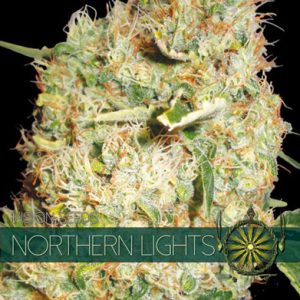
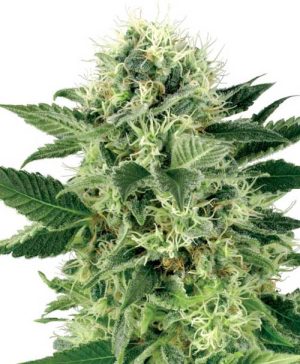
There’s earthy, piney notes that are reminiscent of a forest walk. There's a musky depth underneath, that's the Afghani side coming through, plus sweet hints of spice, citrus, and honey.
The smell gets stronger and takes on a skunky edge that's hard to miss. The flavour follows the same path: earthy and woody with a sweet, piney finish. Some people pick up a peppery kick or a fruity sweetness that adds a bit of complexity.
What makes Northern Lights smell and taste the way it does comes down to its terpenes. Myrcene leads the pack, bringing that herbal, forest-like vibe. Caryophyllene adds a peppery, spicy note, while limonene throws in a splash of citrus.
Alpha-pinene and beta-pinene pump up the pine character, and humulene rounds things out with earthy, woody tones. It's a rich mix that's stayed consistent across decades.
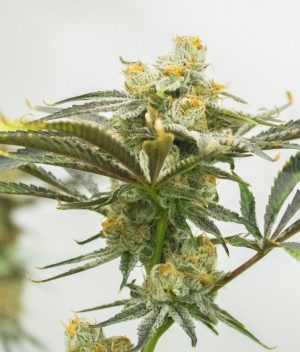
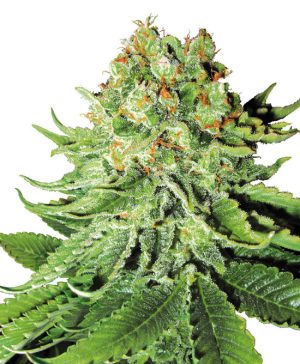
The seeds and what they look like
Northern Lights usually lands somewhere between sixteen and twenty-one percent THC, though some batches, especially Northern Lights #10, have tested as high as twenty-five or even twenty-seven percent.
CBD sits pretty low, around 0.1 to one percent, so the focus is squarely on potency. Lab tests on typical samples show around sixteen percent THC, sixteen percent THCA, 0.7 percent CBGA, and 0.2 percent CBC, though those numbers shift depending on the specific version and how the plants are handled.
Some markets also offer balanced one-to-one THC-to-CBD versions.
You can find Northern Lights seeds from well-known breeders like Sensi Seeds and Royal Queen Seeds. They come in regular packs, or feminised packs that produce only females.
Flowering usually wraps up in seven to nine weeks. The Afghani roots give these plants a solid resistance to mould and pests, and they handle dry conditions pretty well.
Why it matters
Northern Lights has been a big deal in cannabis culture since the mid-eighties. It's everywhere, dispensaries across North America and Europe stock it, and it's picked up awards all over the world.
People see it as the gold standard for what an indica should be. Beyond the plants themselves, Northern Lights has popped up in music, art, and writing, becoming a symbol of the counterculture scene.
Seattle claims it as a local legend because of its rumoured Pacific Northwest roots. The name itself comes from the aurora borealis, and when you see those shimmering, resin-covered buds, the connection makes sense.
Some batches even show purple and blue hues mixed in with the green, which makes the aurora comparison even stronger.
The real legacy, though, is in the genetics. Northern Lights has been used to build so many of today's favourite indica-heavy strains that it's hard to count them all.
Its DNA runs through breeding programmes around the world. After nearly five decades, it's still one of the most recognisable pure indicas out there, right up there with Granddaddy Purple.
That kind of staying power is rare, and it speaks to just how solid this strain really is.
Northern Lights Strains Frequently Asked Questions
Northern Lights comes from Afghani and Thai landrace strains. The Afghani side brings sturdy structure and earthy, musky smells, while the Thai adds a touch of sativa lift and sweet, tropical notes.
A breeder called 'The Indian' is credited with first creating Northern Lights in the late seventies near Seattle. Nevil Schoenmakers brought clones to Holland in the early eighties, where Dutch breeders refined it.
Northern Lights #5 is the most famous version, known for high THC and solid traits. It won the Cannabis Cup three times between 1989 and 1992 and is the standard variant most seed banks sell.
Myrcene leads the terpene character, giving herbal notes. Caryophyllene adds pepper, limonene brings citrus, alpha-pinene and beta-pinene deliver pine, and humulene rounds it out with earthy, woody tones.
Northern Lights usually sits between sixteen and twenty-one percent THC, though some versions like Northern Lights #10 have hit twenty-five to twenty-seven percent. CBD stays low, around 0.1 to one percent.
Yes, Northern Lights seeds come as regular packs with both sexes, feminised packs with only females, and autoflowering varieties. Sensi Seeds and Royal Queen Seeds are two well-known suppliers.
Northern Lights is the parent of loads of famous hybrids, including Super Silver Haze, Shiva Skunk, Jack Herer, White Widow, Chronic, Special Kush, Nordle, and Blue Northern, which crosses it with Blueberry.
Northern Lights smells earthy and piney, like a mountain forest, with musky undertones and sweet hints of spice, citrus, and honey.
There might have been as many as eleven different Northern Lights phenotypes early on. Today, Northern Lights #5 is the standard, with Northern Lights #2 and Northern Lights #10 also recognised.
Northern Lights has won countless cannabis awards worldwide since the mid-eighties, including three Cannabis Cup victories in 1989, 1990, and 1992 for the Northern Lights #5 phenotype.